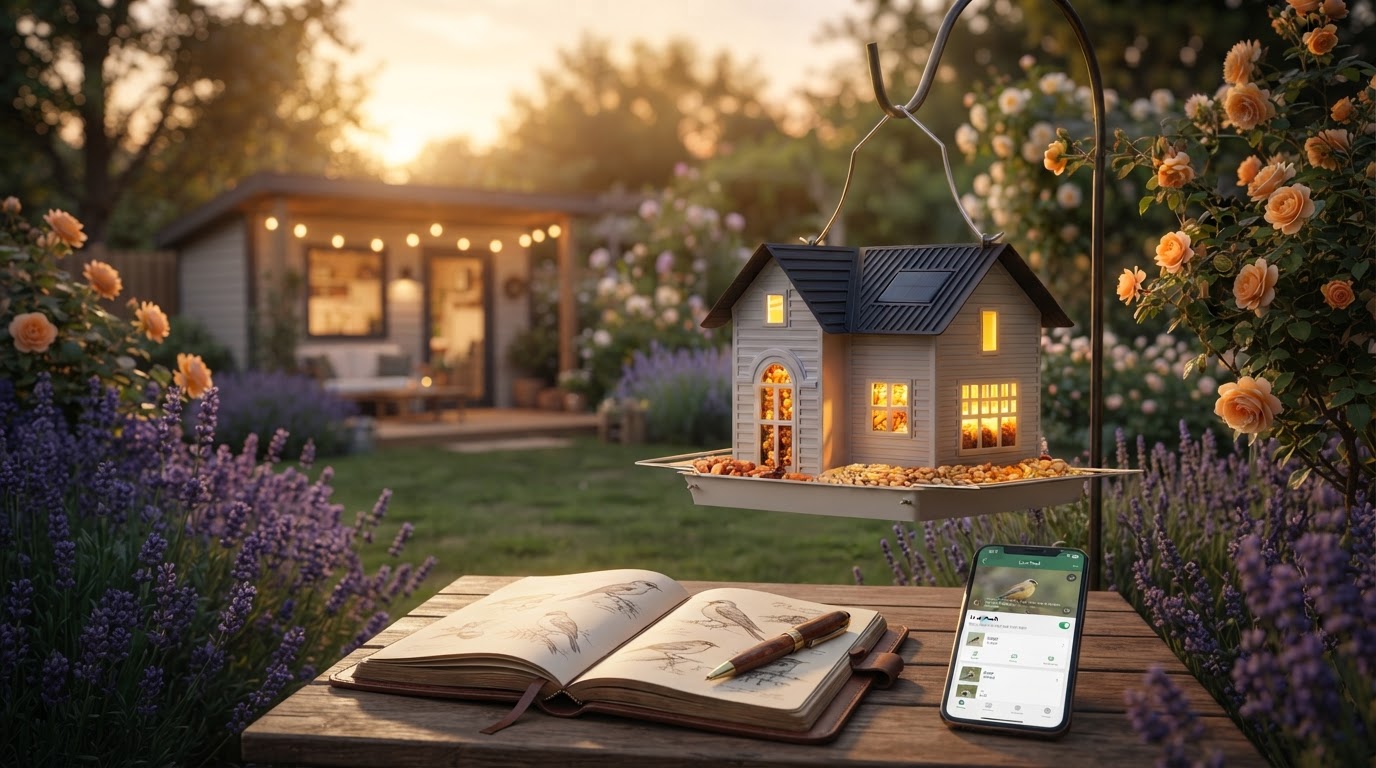
Why choose a smart Solar Bird House Feeder?
 Priya RamanSenior Analyst
September 6, 2026 — Integrating a smart Solar Bird House Feeder into a backyard habitat centralizes energy management and wildlife observation into a single, self-sustaining unit.
Modern backyard enthusiasts increasingly prioritize data-driven observation over passive viewing. Two axes matter here: energy autonomy and identification accuracy. Think of it as a matrix of power consumption versus feature depth, where solar-integrated systems bridge the gap between high-definition recording and the logistical challenge of battery maintenance.
How does a smart Solar Bird House Feeder manage power?
The decision rule for smart feeders rests on the efficiency of the integrated solar panel to offset the high energy demand of 24/7 motion detection and Wi-Fi connectivity. A smart Solar Bird House Feeder utilizes a photovoltaic roof to trickle-charge an internal lithium-ion battery, ensuring that the camera remains operational even during peak activity hours. The reliability of these units depends heavily on placement; according to internal testing data from Solar Bird House Feeder, a minimum of four hours of direct sunlight is required to maintain a net-zero energy drain for standard motion-triggered recording cycles. This energy balance is critical because high-resolution video streaming consumes significantly more power than traditional static photography, necessitating a robust solar conversion rate. For those seeking maximum uptime, the solar powered bird feeder with camera represents a shift toward permanent outdoor installations that do not require manual charging via USB cables.
What are the benefits of AI in a smart bird feeder?
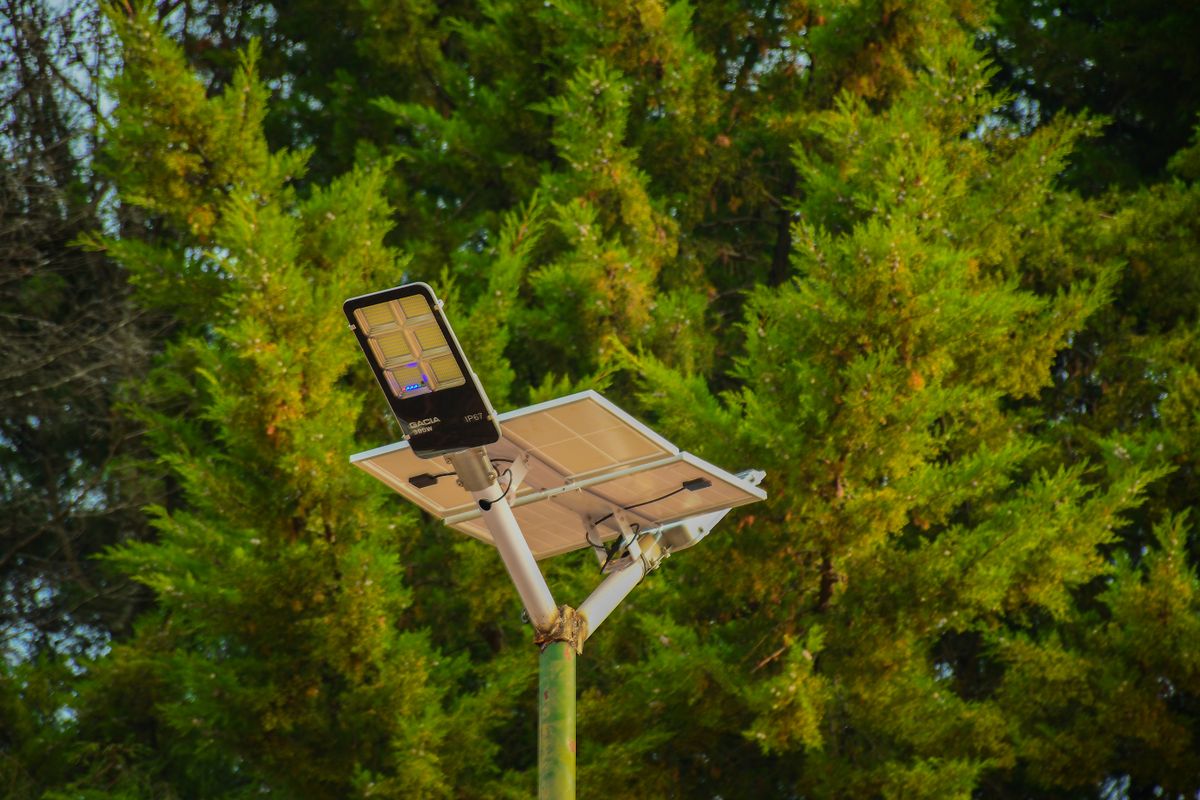
Photo by finix photographer on Pexels
AI integration in a smart Solar Bird House Feeder transforms a simple feeding station into a biological data point by automatically identifying avian visitors in real-time. Once you see it this way, the feeder is no longer just a container but a research tool that logs species frequency and feeding patterns without human intervention. The effectiveness of this system relies on the interplay between the hardware optics and the software database. For instance, the [hanging solar bird feeder with camera](/blog/solar-bird-house-feeder-reliability-modern-habitats) utilizes specific sensor triggers to reduce false positives from swaying branches, ensuring that the AI processor only activates when a bird is present. This selective processing preserves both energy and storage space. Users often pair these capabilities with a dedicated interface to track local biodiversity trends. Proper configuration is essential for these features to function correctly, which is why understanding [how to setup a smart Solar Bird House Feeder app](/blog/setup-smart-solar-bird-house-feeder-app) is the primary step for users transitioning from analog feeders to digital ecosystems.
Quick answers
Photo by joao Guerreiro on Pexels
Q: Can a smart Solar Bird House Feeder work in the shade? A: While the feeder will function, the solar panel requires at least 4 to 6 hours of filtered light to prevent the internal battery from depleting during high-activity periods. In deep shade, the Solar Bird House Feeder may require supplemental manual charging every 2 to 3 weeks.
Q: Does the AI require a subscription to identify birds? A: Most smart Solar Bird House Feeder models include a core database of common species for free, though advanced features like long-term cloud storage or rare species alerts may involve a service tier. The primary AI processing is typically handled via the connected smartphone application.
Q: Is the Wi-Fi range sufficient for large backyards? A: A standard Solar Bird House Feeder is designed to maintain a stable connection within 100 to 150 feet of a 2.4GHz Wi-Fi router. Signal strength can be improved by ensuring a clear line of sight or utilizing a dedicated outdoor mesh extender.
Learn more about Solar Bird House Feeder at https://solarbirdhousefeeder.com.